Choose your path
Six kinds of help, explained.
Each guide sets out what the training involves, a general price in pounds and the questions worth taking into a first conversation with a trainer.
Private Lessons
A private lesson is one trainer, one dog and one owner working on the cues and habits you choose, usually for 45 to 60 minutes.
£40 to £80 per lessonRead the guide →
Puppy Courses
A puppy course is a short run of one-to-one lessons covering the basics: toilet training, a name response, sit, down, a happy recall, gentle handling and settling alone.
£120 to £250 per course of lessonsRead the guide →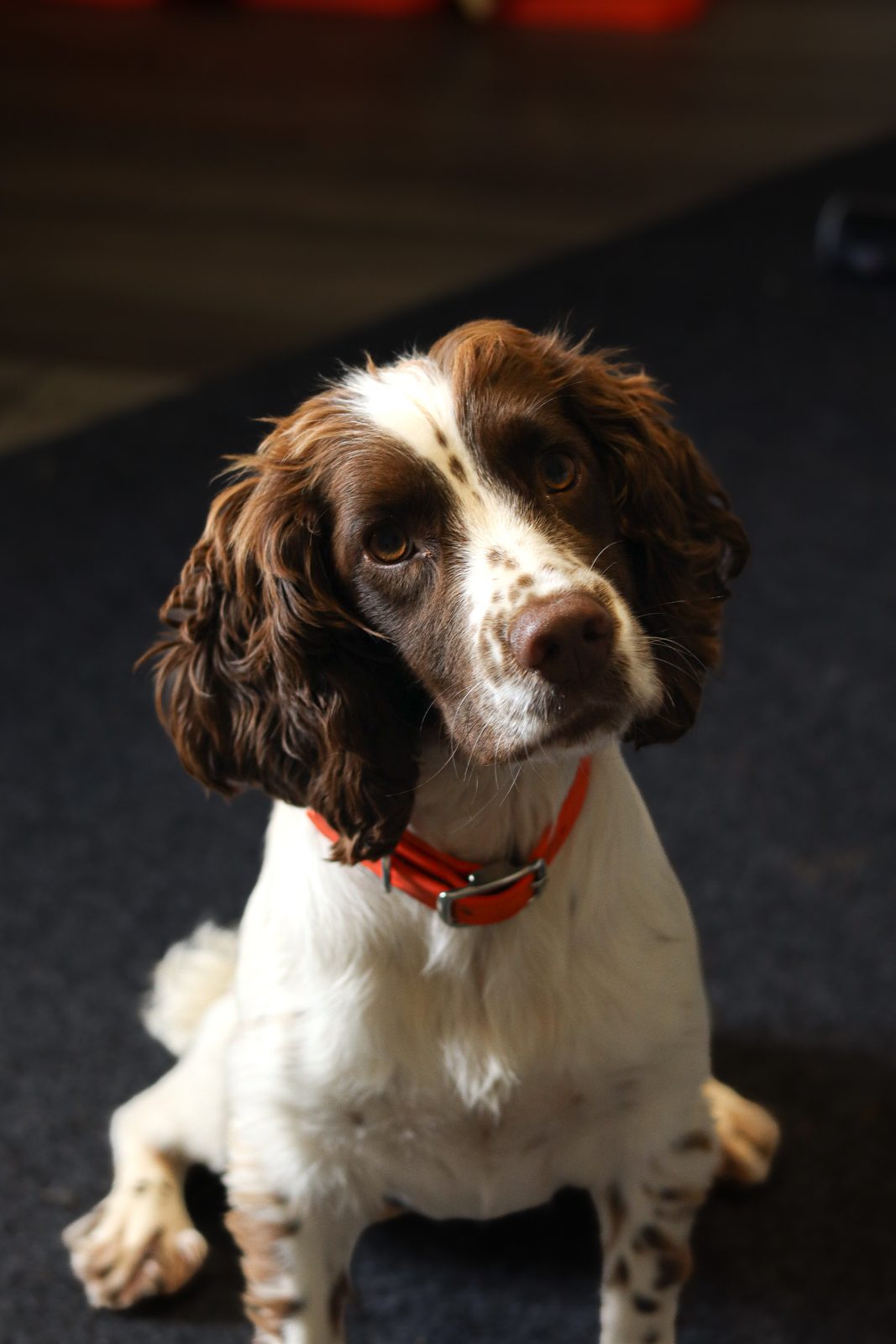
In-Home Visits
Some problems only show up in one place: the front door, the stairs, the kitchen.
£50 to £100 per visitRead the guide →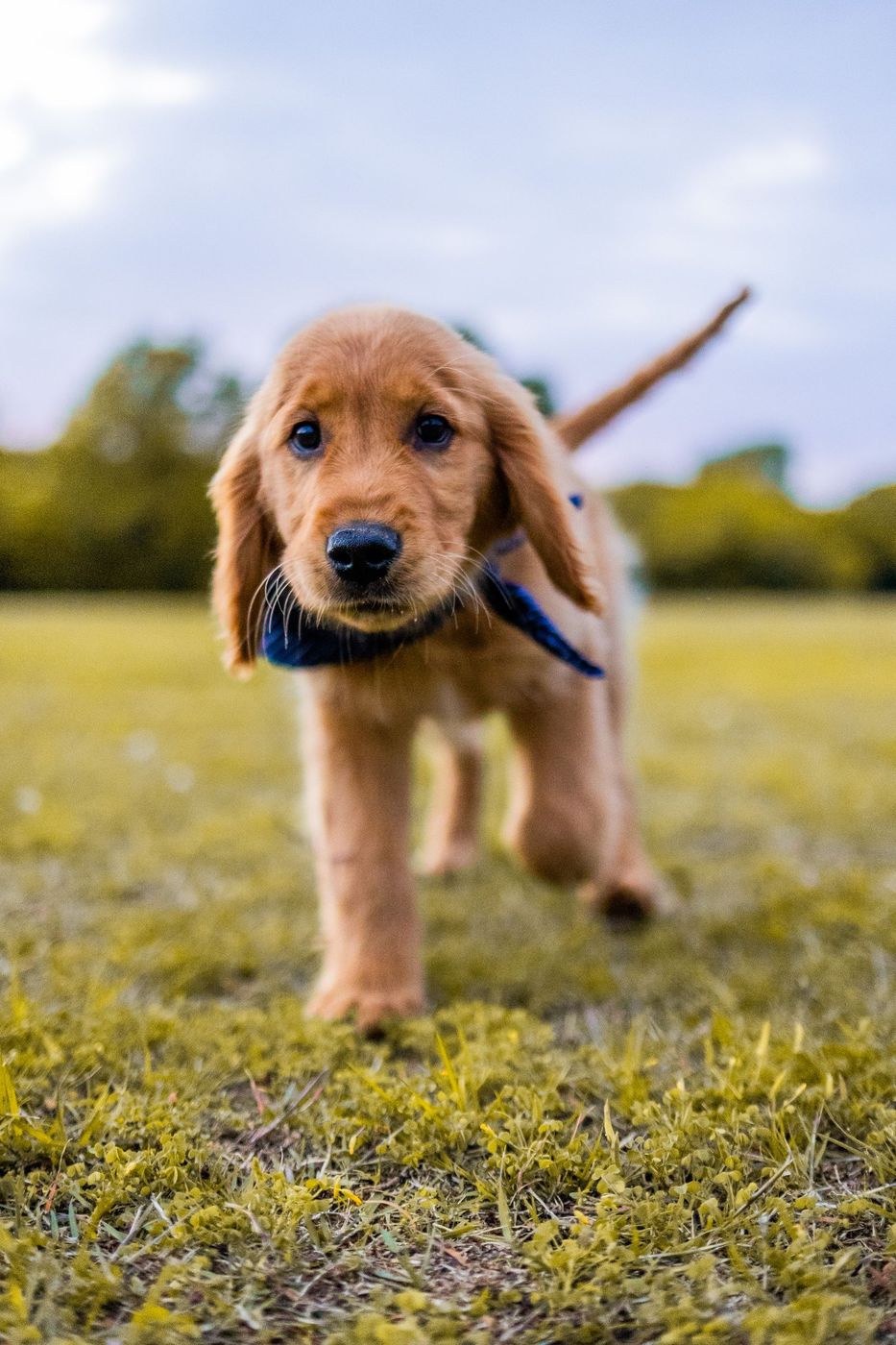
Obedience Programmes
An obedience programme strings several lessons together so skills build in order: attention, sit and down, lead walking, stay, recall and then distractions.
£300 to £800 per programmeRead the guide →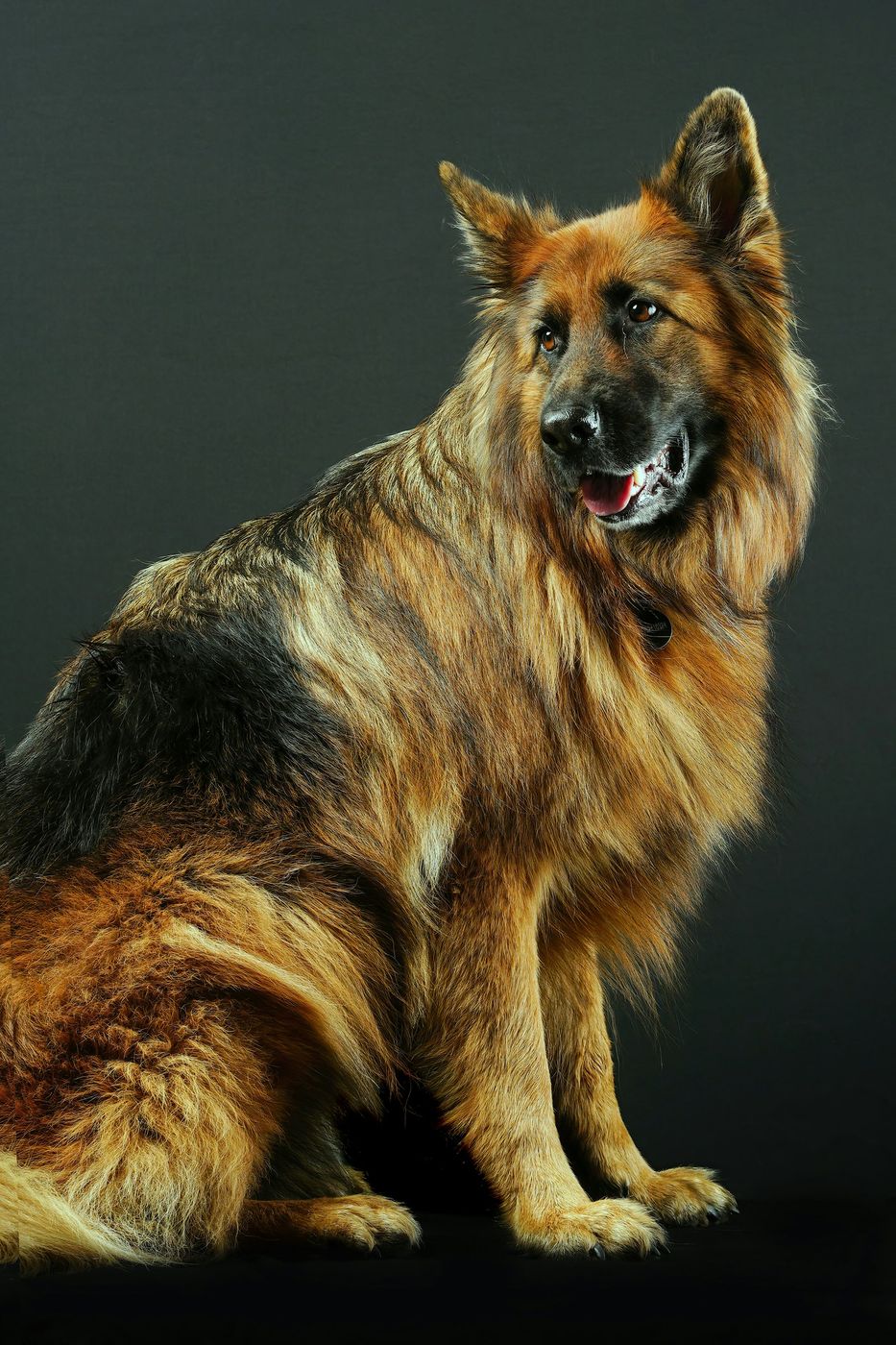
Behaviour Help
Behaviour work deals with what a dog feels, such as fear of strangers, frustration on the lead or distress when left alone, rather than only what it does.
£250 to £700 per behaviour planRead the guide →
Board and Train
During a board and train, a trainer works with your dog every day for a couple of weeks, then teaches you to keep the skills going.
£1,200 to £2,000+ for a 2 to 3 week stayRead the guide →Planning figures only. Actual prices vary by trainer, dog and area.
Skill or confidence
Does your dog need a skill, or some confidence?
A dog that has never been taught to walk beside you needs a skill. A dog that freezes, lunges or panics needs help with how it feels. The two are fixed in different ways and cost different amounts, so working out which one you have is the cheapest first step you can take.
Calm, everyday training
Quiet focus beats noise.
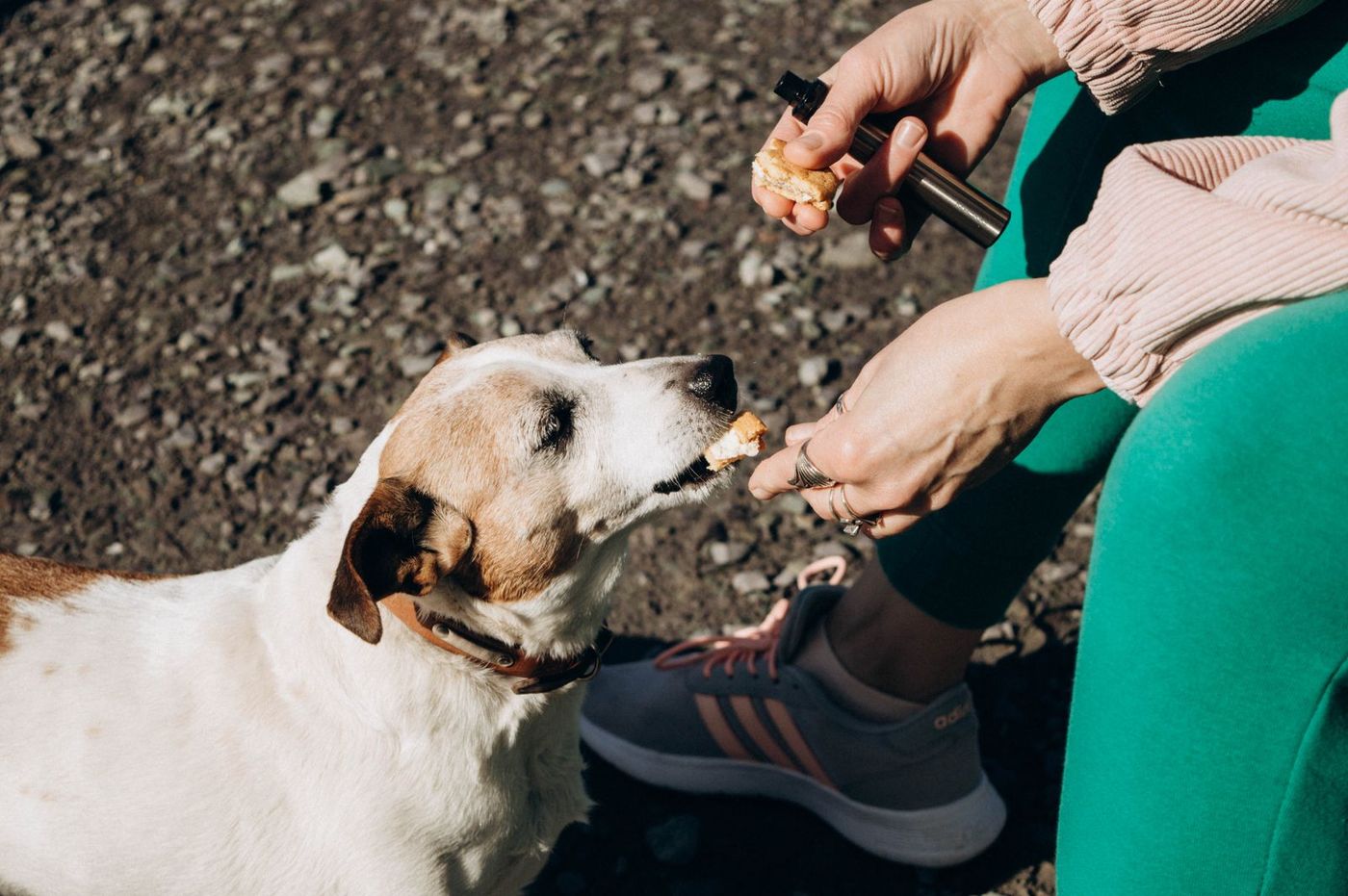
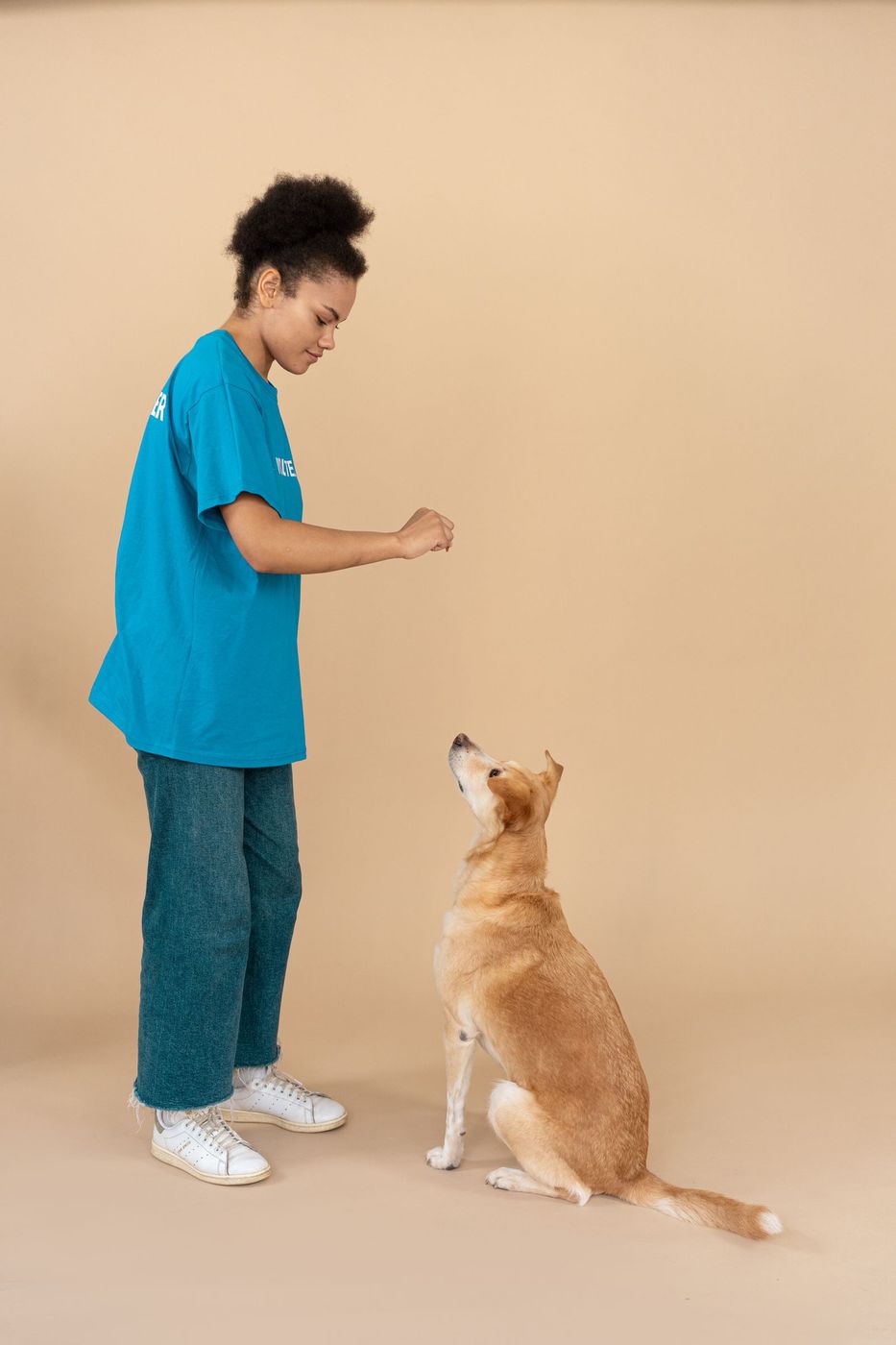
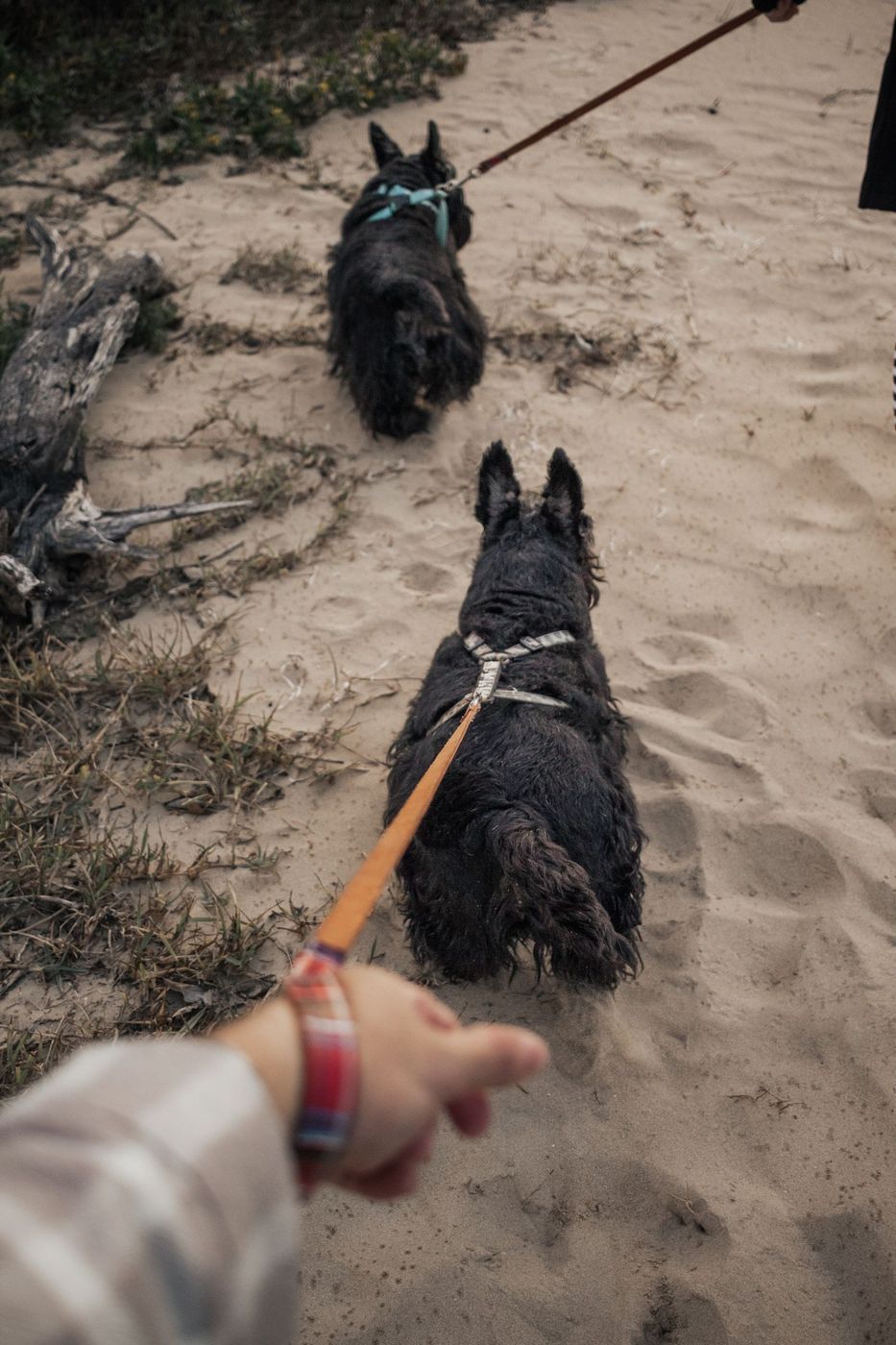
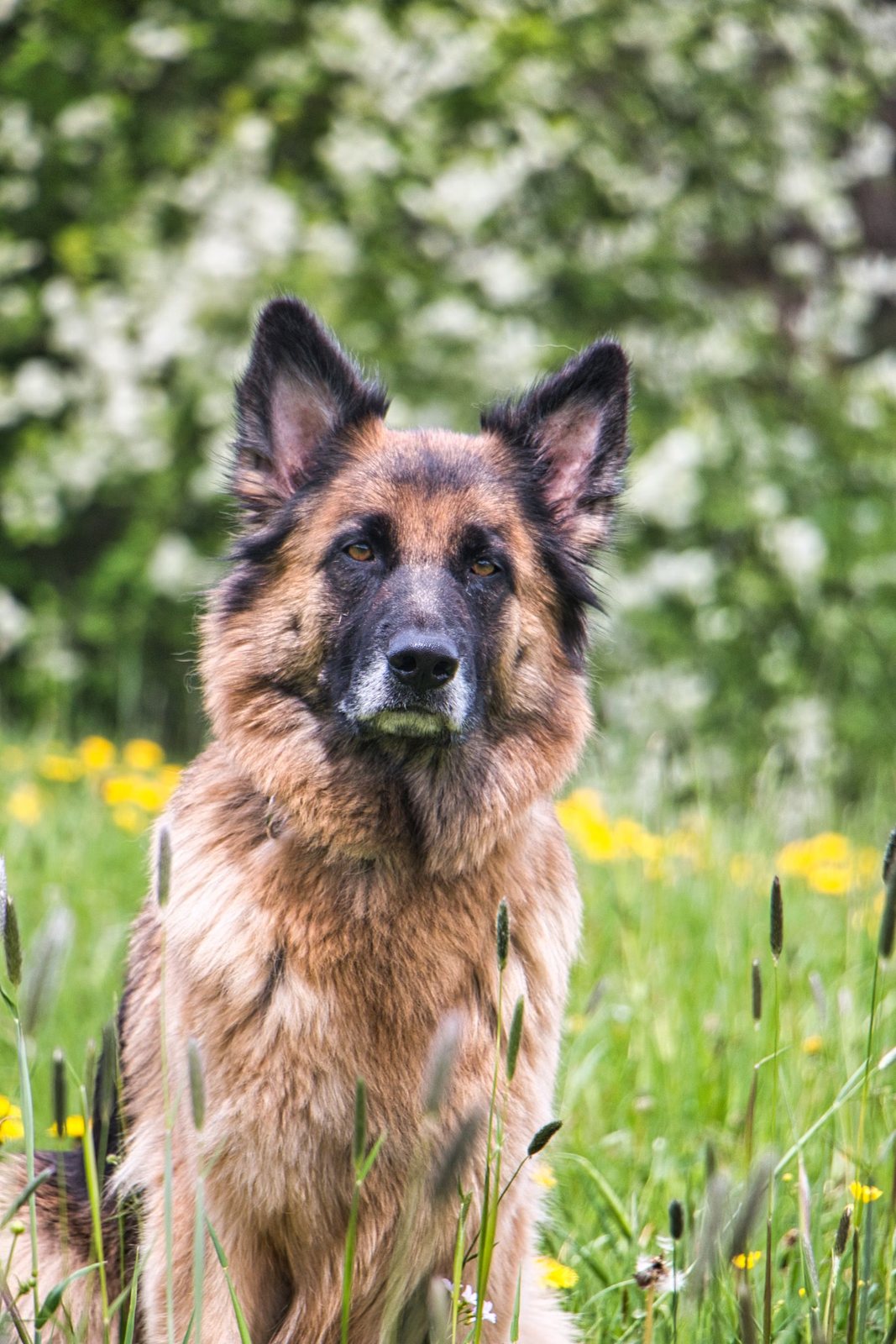
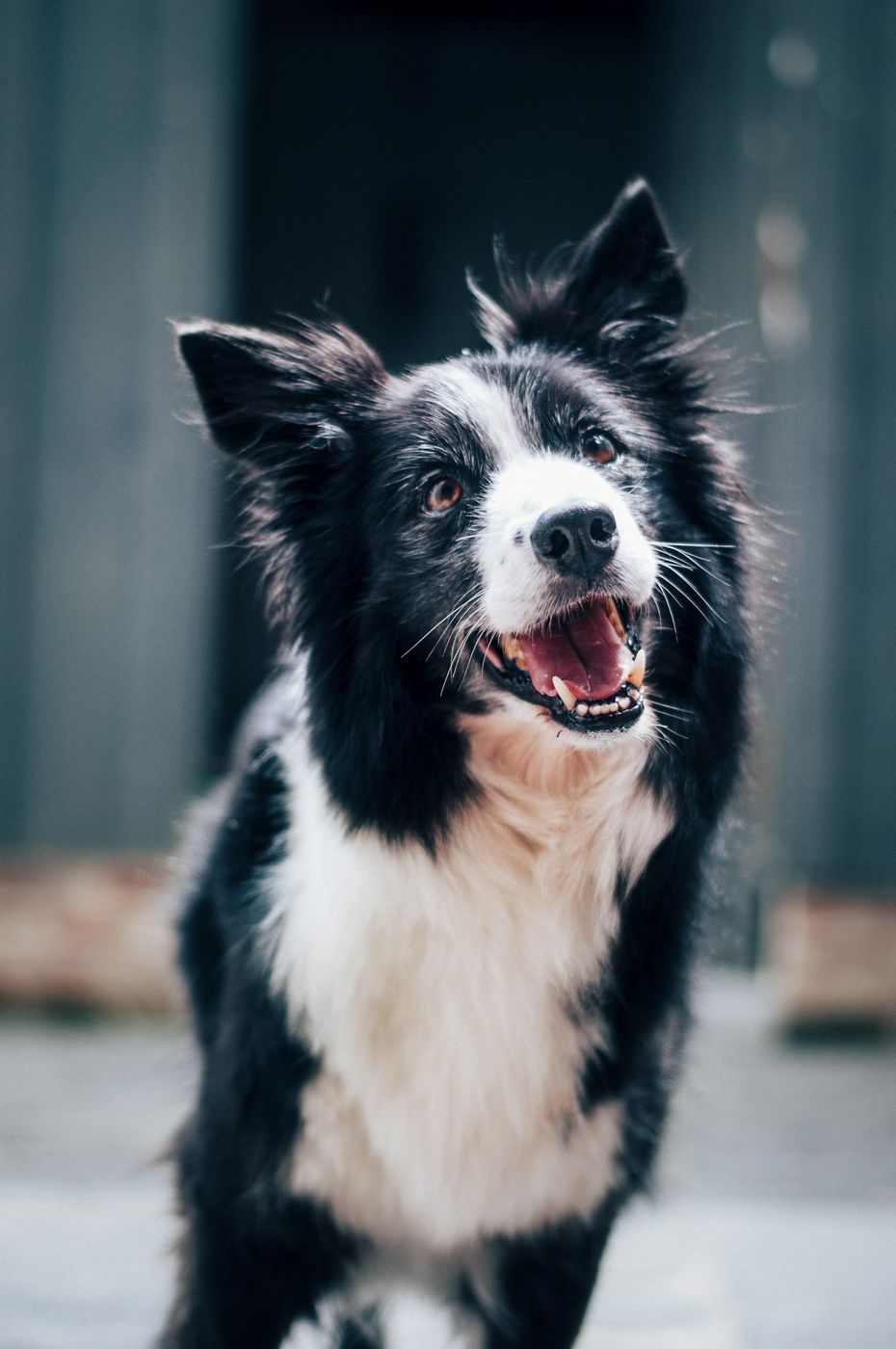
Good lessons are mostly steady repetition. These frames show dogs paying attention in ordinary, relaxed moments.

Service areas
Eight towns around Coventry.
Spa-town parks, canal cuts, market squares and airport noise all change what a dog needs. These pages explain how.
How it works
Three steps before you book
- 01
Pick your problem
Decide whether you are teaching a skill or helping with a feeling, as each has its own plan.
- 02
Look at the range
Each programme page shows a general price in pounds so you can set a realistic budget.
- 03
Ask in writing
Take the listed questions to any trainer and ask for the plan and the price in writing.
About these pages
Information first, no selling.
Picking dog training should not feel like guesswork. This guide sets out the options for Coventry and the towns around it in plain language.
Each town page links the advice to local conditions such as parks, canals, roads and housing. The details come from public sources, not paid listings.
About this guide →Trainer availability
Where we are today.
We are lining up professional trainers in Coventry, and nobody is taking requests from this site yet. Use the guides to get ready in the meantime.
- No form and nothing to wait for
- Costs set out clearly in pounds
- Notes on eight towns across the region
About the approach
Local detail. Honest limits.
From K9PN. See the Disclaimer for details.
Good questions
Before you begin.
How much should I budget for dog training?
General estimates run from about £40 to £80 for a private lesson, £120 to £250 for a puppy course and £300 to £800 for an obedience programme. Behaviour plans are around £250 to £700, and board and train stays £1,200 to £2,000 or more.
Can this site connect me with a trainer?
Not at present. There is no form and requests are closed.
Do dogs have to be on a lead near canals?
Not by law everywhere, but towpaths are narrow and shared with cyclists and boats, so a lead or a very close recall is sensible.
Is a rescue dog harder to train?
Not necessarily. Many settle well, but they may need time and patience, and a trainer should hear what you know of their past.
Which methods should I look for?
Reward-based teaching that raises difficulty a step at a time. Avoid anyone who relies on fear or pain, or who promises a set result.
My dog is frightened of fireworks and loud noises. Can that be helped?
Often, yes. Gradual sound training and a safe den can help, and a vet can advise if the fear is severe.